
DIY Engine Tuning Tips: Enhance Performance Without Breaking the Bank


Understanding Engine Tuning
Engine tuning can seem intimidating, but with the right approach, you can enhance your vehicle's performance without spending a fortune. Tuning involves adjusting the engine's settings to improve power, efficiency, and overall performance. This is often achieved by optimizing the air-fuel mixture, ignition timing, and other variables.
Before diving into the DIY tips, it's important to have a basic understanding of how engines work. Familiarize yourself with terms like ECU (Engine Control Unit), air intake, and exhaust systems. This knowledge will help you make informed decisions during the tuning process.
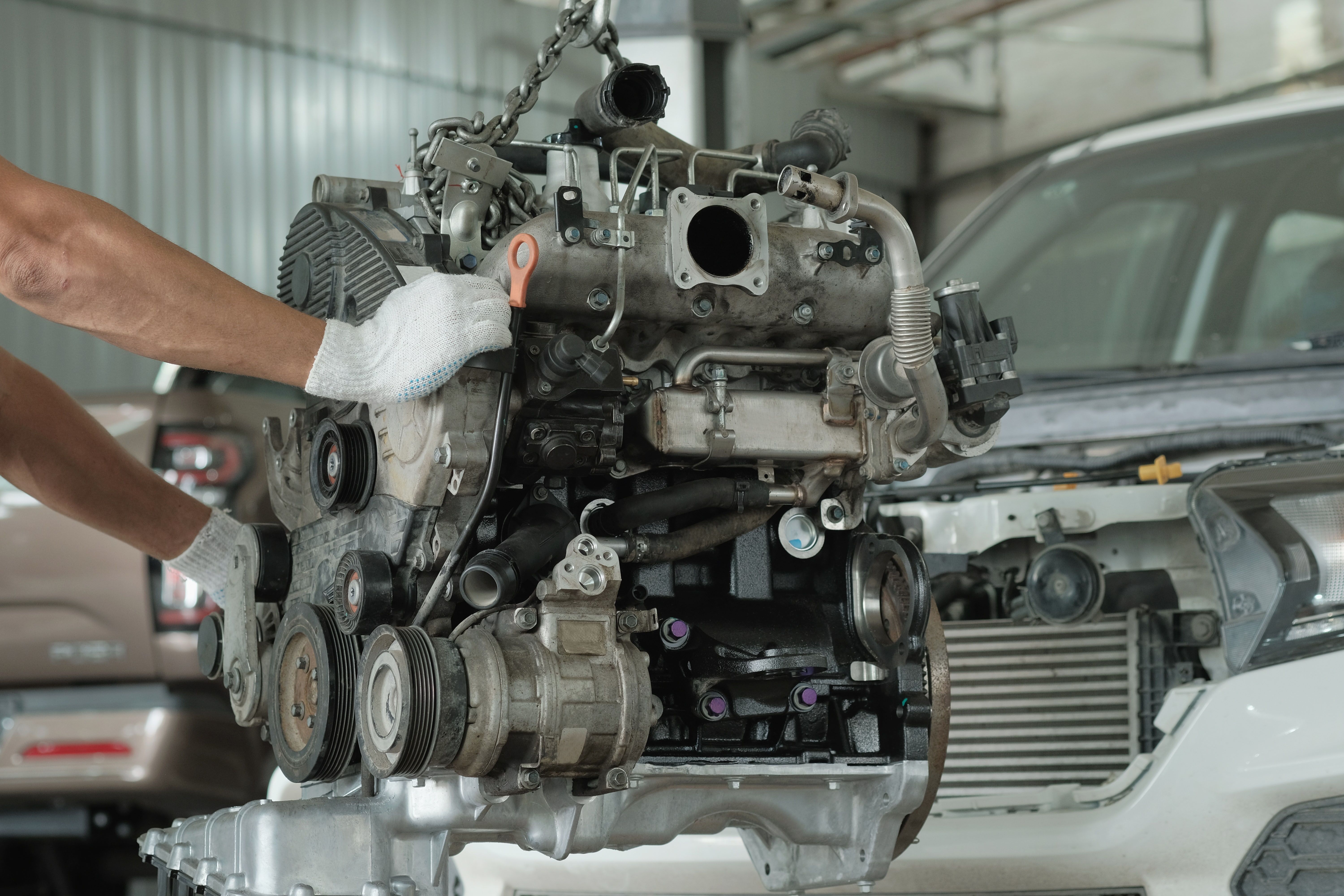
Essential Tools for DIY Tuning
Having the right tools is crucial for any DIY project. For engine tuning, you'll need a few specific items to get started. Here's a list of essential tools:
- OBD-II Scanner: This tool helps you read and understand error codes from your vehicle's ECU.
- Performance Software: Software programs can help recalibrate the ECU settings for better performance.
- Basic Hand Tools: A set of wrenches, screwdrivers, and pliers will be necessary for mechanical adjustments.

Air Intake System Enhancements
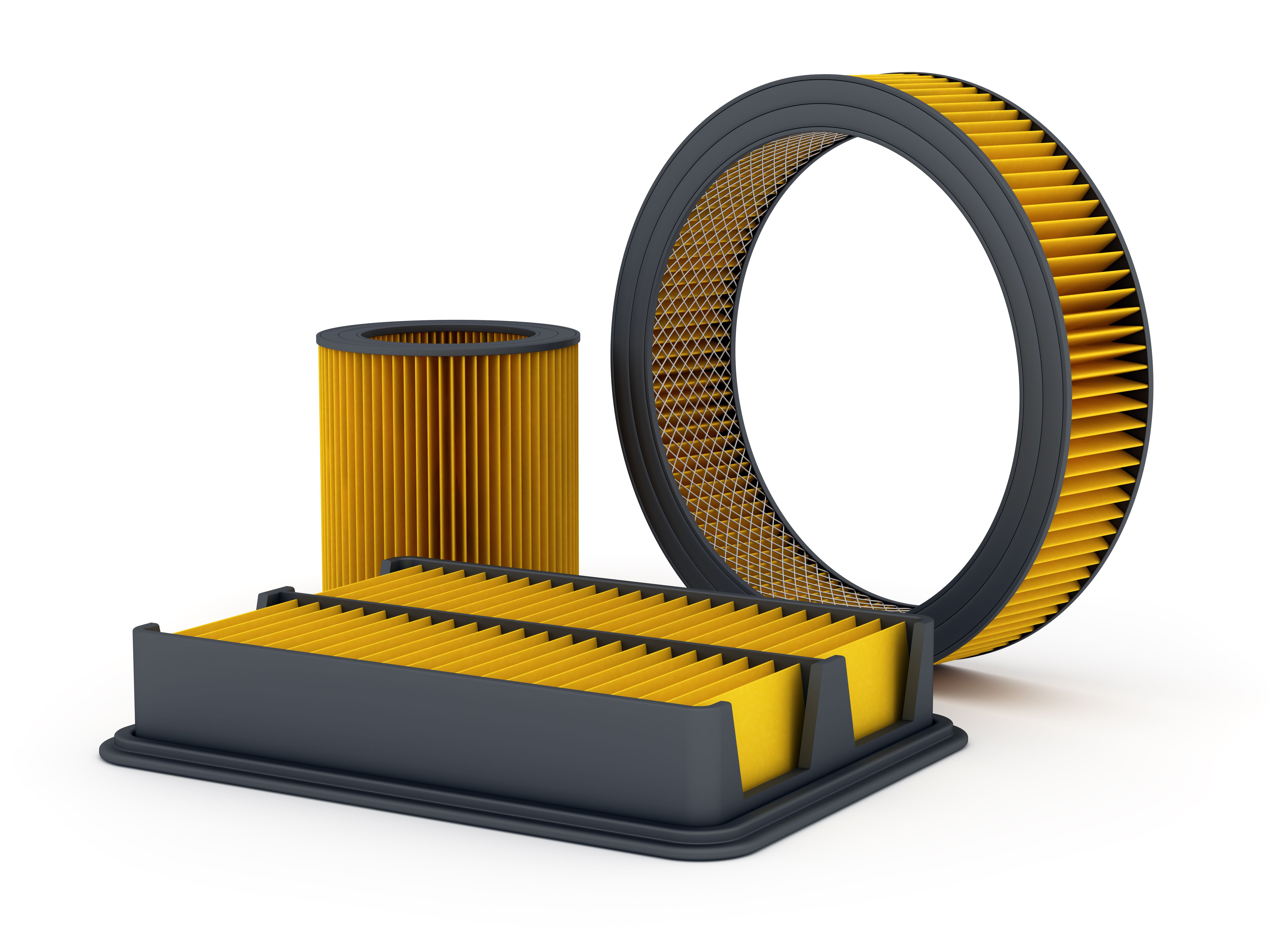
One of the simplest ways to boost your engine's performance is by upgrading the air intake system. A high-performance air filter can improve airflow, leading to better combustion and increased horsepower. Consider installing a cold air intake, which helps pull in cooler, denser air, further enhancing performance.
Regularly checking and cleaning your air filter will also ensure optimal airflow. A clogged filter can significantly reduce engine efficiency, so make it a habit to inspect and maintain this component.
Exhaust System Upgrades
Improving the exhaust system can also yield significant performance gains. A performance exhaust system reduces back pressure, allowing gases to exit the engine more efficiently. This can lead to increased horsepower and torque.
Consider replacing the factory exhaust with a high-flow muffler or a full cat-back system. These upgrades not only enhance performance but also give your vehicle a more aggressive sound.
ECU Recalibration
The ECU is the brain of your vehicle's engine, controlling various parameters like fuel mixture and ignition timing. Recalibrating the ECU can optimize these settings for better performance. This is often done using performance software that interfaces with your vehicle's system.
While ECU tuning can be complex, there are many user-friendly software options available that guide you through the process. Just ensure that any changes you make are within safe limits to avoid engine damage.
Regular Maintenance and Monitoring
Consistent maintenance is key to maintaining performance gains. Regularly check oil levels, coolant, and other fluids to ensure your engine runs smoothly. Monitoring your engine's performance with an OBD-II scanner can help you catch potential issues early, preventing costly repairs down the road.
By keeping up with routine maintenance, you can enjoy the benefits of your tuning efforts for a longer period.