
Myth-Busting: Common Misconceptions About Classic Car Restorations


Introduction to Classic Car Restorations
Classic car restorations are a cherished hobby and profession for many enthusiasts. However, there are several misconceptions that can cloud the understanding of what these restorations truly involve. In this post, we'll debunk some of the most common myths associated with restoring classic cars.
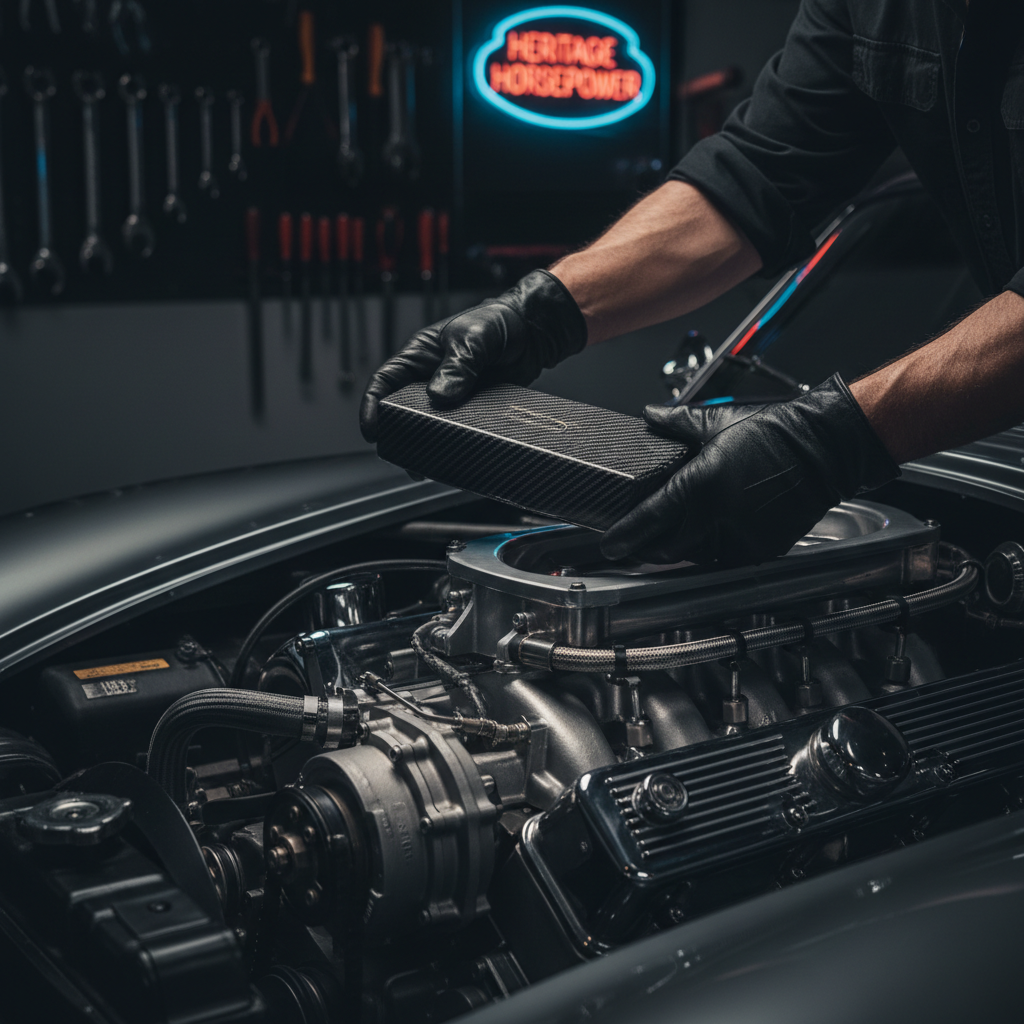
Myth 1: Restorations Make Cars Like New
One widespread belief is that restoring a classic car always returns it to its original factory condition. While some restorations aim for this level of detail, many focus on preserving the car’s unique character and history. Not all restorations are meant to make a car look brand new. Some owners prefer a "sympathetic restoration," which maintains the vehicle's patina and historical imperfections.
Myth 2: It’s an Easy DIY Project
Restoring a classic car is often thought to be a straightforward DIY project. However, it requires a blend of skills, patience, and resources. From mechanical work to bodywork and upholstery, each aspect demands expertise. While some enthusiasts take on the challenge themselves, many projects require professional assistance to achieve desired results.
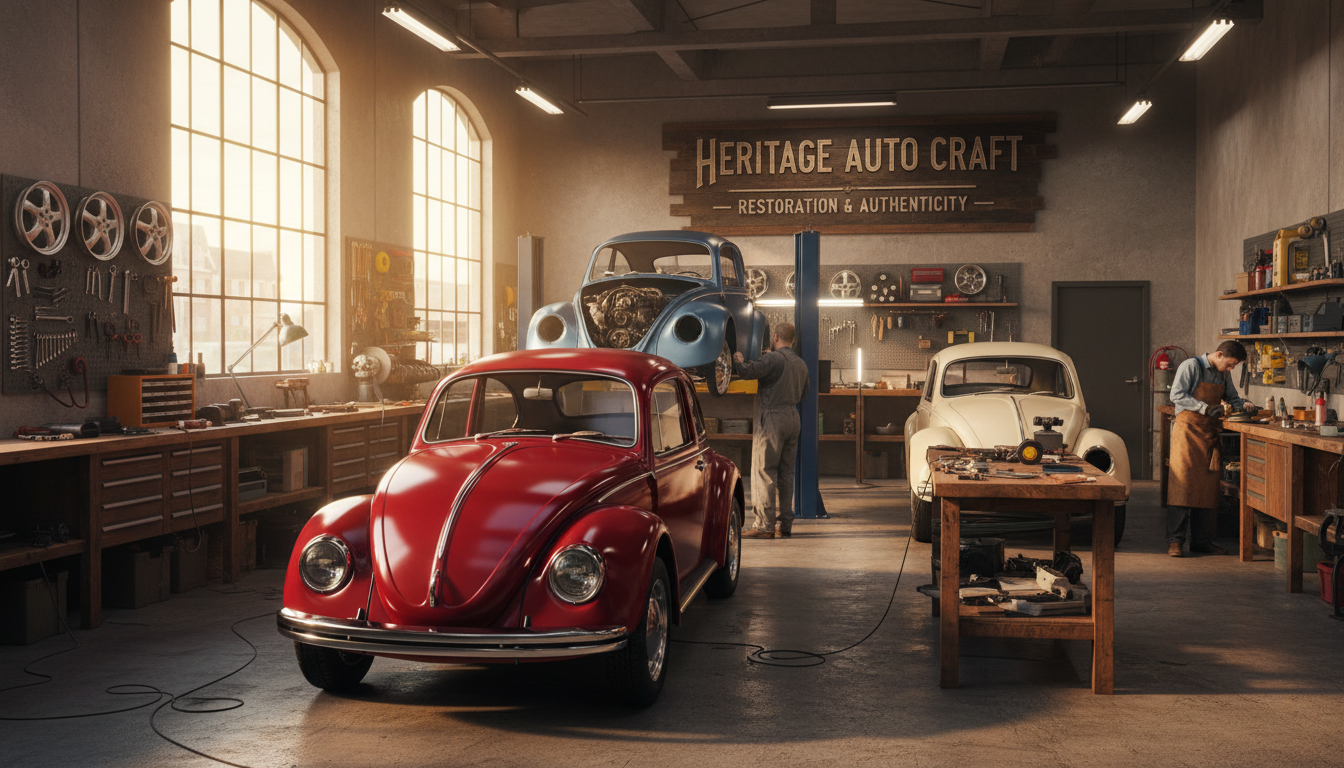
Understanding the Costs Involved
Myth 3: Restorations Are Always Expensive
Another common misconception is that classic car restorations are prohibitively expensive. While some high-end projects can be costly, the expense largely depends on the car's condition and the owner's goals. Budget-friendly restorations are possible with careful planning and prioritizing essential repairs over cosmetic enhancements.
Myth 4: Restored Cars Are Worth More
It's often assumed that a restored car will automatically increase in value. However, the market value of a classic car depends on various factors, including rarity, demand, and the quality of restoration. Some restorations may even decrease a car’s value if not done to a high standard or if originality is lost.
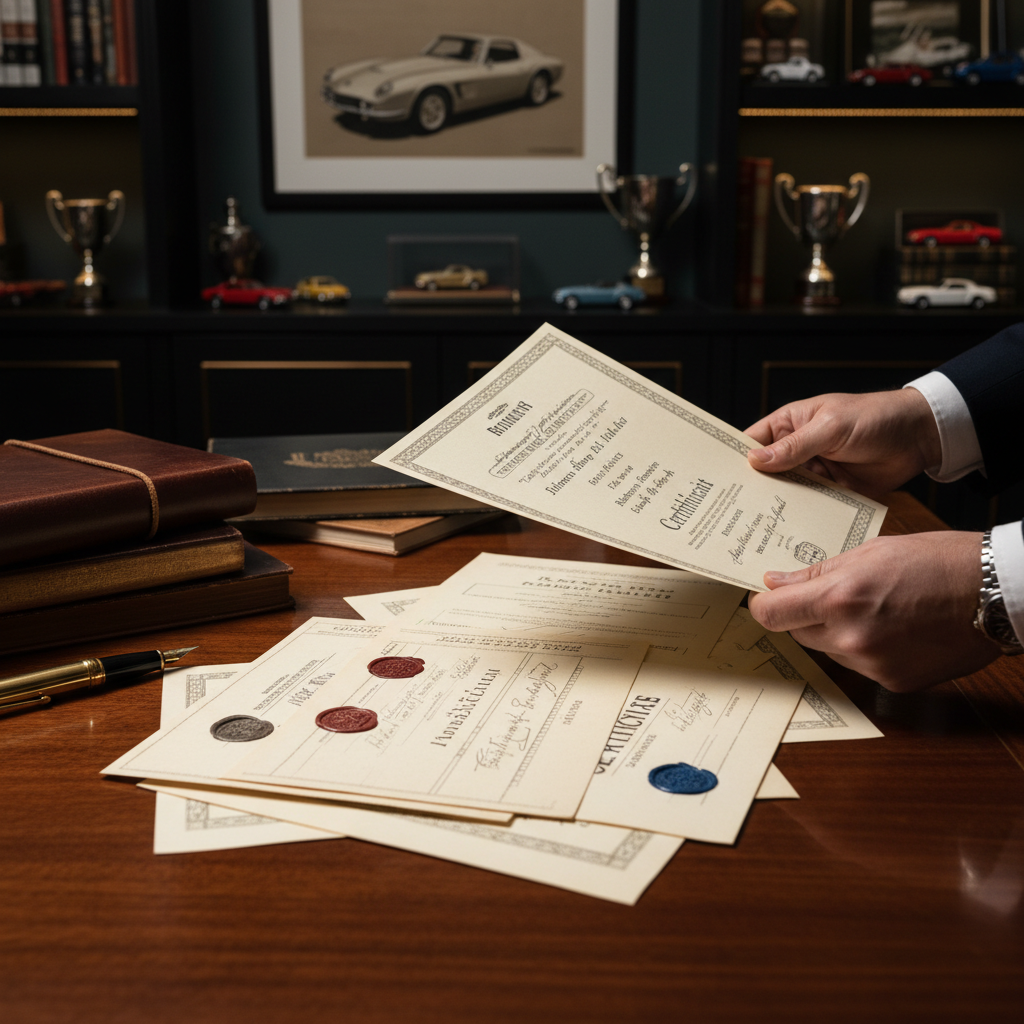
The Importance of Originality
Myth 5: Original Parts Are Always Best
While using original parts is ideal for maintaining authenticity, it's not always possible or necessary. Reproduction parts can be a viable alternative when originals are unavailable or prohibitively expensive. The key is ensuring the parts are high-quality and fit properly within the car’s overall design.
Myth 6: All Cars Are Good Restoration Candidates
Not every classic car is a suitable candidate for restoration. Factors such as the availability of parts, structural integrity, and historical significance play a critical role. Before beginning a restoration, it’s essential to evaluate whether the car is a worthy investment of time and resources.

Conclusion: Making Informed Decisions
Understanding the realities behind classic car restorations helps enthusiasts make informed decisions and set realistic expectations. By dispelling these myths, you can approach your restoration project with the knowledge and confidence needed to succeed. Whether you’re a seasoned restorer or a newcomer, grasping these nuances will enhance your appreciation for the art and craft of classic car restoration.